Posted on

Nvidia Is Next Week’s Top Stock, Market Strategist Says: Why Best Long-Term Idea Is ‘Just Buy Nvidia And Put It Away’

NEWS

  • Today’s news
  • US
  • Politics
  • World
  • Tech
    • Reviews and deals
    • Audio
    • Computing
    • Gaming
    • Health
    • Home
    • Phones
    • Science
    • TVs
  • Climate change
  • Health
  • Science
  • 2024 election
  • Originals
    • The 360

LIFE

  • Health
    • COVID-19
    • Fall allergies
    • Health news
    • Mental health
    • Relax
    • Sexual health
    • Studies
    • The Unwind
  • Parenting
    • Family health
    • So mini ways
  • Style and beauty
    • It Figures
    • Unapologetically
  • Horoscopes
  • Shopping
    • Buying guides
  • Food
  • Travel
  • Autos
  • Gift ideas
  • Buying guides

ENTERTAINMENT

  • Celebrity
  • TV
  • Movies
  • Music
  • How to Watch
  • Interviews
  • Videos
  • Shopping

FINANCE

  • My Portfolio
  • News
    • Latest News
    • Stock Market
    • Originals
    • Premium News
    • Economics
    • Housing
    • Earnings
    • Tech
    • Crypto
    • Biden Economy
  • Markets
    • Stocks: Most Actives
    • Stocks: Gainers
    • Stocks: Losers
    • Trending Tickers
    • Futures
    • World Indices
    • US Treasury Bonds Rates
    • Currencies
    • Crypto
    • Top ETFs
    • Top Mutual Funds
    • Options: Highest Open Interest
    • Options: Highest Implied Volatility
    • Sectors
      • Basic Materials
      • Communication Services
      • Consumer Cyclical
      • Consumer Defensive
      • Energy
      • Financial Services
      • Healthcare
      • Industrials
      • Real Estate
      • Technology
      • Utilities
  • Research
    • Screeners
    • Watchlists
    • Calendar
    • Stock Comparison
    • Advanced Chart
    • Currency Converter
    • Investment Ideas
    • Research Reports
  • Personal Finance
    • Credit Cards
    • Balance Transfer Cards
    • Cash-back Cards
    • Rewards Cards
    • Travel Cards
    • Credit Card Offers
    • Banking
    • CD Rates
    • Best HYSA
    • Best Free Checking
    • Student Loans
    • Personal Loans
    • Insurance
    • Car insurance
    • Mortgages
    • Mortgage Refinancing
    • Mortgage Calculator
    • Taxes
  • Videos
    • Morning Brief
    • Catalysts
    • Wealth
    • Market Domination
    • Market Domination Overtime
    • Asking for a Trend
    • Opening Bid
    • Stocks in Translation
    • NEXT
    • Lead This Way
    • Good Buy or Goodbye?
    • ETF Report
    • Financial Freestyle
    • Capitol Gains

SPORTS

  • Fantasy
    • News
    • Fantasy football
    • Best Ball
    • Pro Pick ‘Em
    • College Pick ‘Em
    • Fantasy baseball
    • Fantasy hockey
    • Fantasy basketball
    • Download the app
  • Daily fantasy
  • NFL
    • News
    • Scores and schedules
    • Standings
    • Stats
    • Teams
    • Players
    • Drafts
    • Injuries
    • Odds
    • Super Bowl
    • GameChannel
    • Videos
  • MLB
    • News
    • Scores and schedules
    • Standings
    • Stats
    • Teams
    • Players
    • Odds
    • Videos
    • World Baseball Classic
  • NBA
    • News
    • Draft
    • Scores and schedules
    • Standings
    • Stats
    • Teams
    • Players
    • Injuries
    • Videos
    • Odds
    • Playoffs
  • NHL
    • News
    • Scores and schedules
    • Standings
    • Stats
    • Teams
    • Players
    • Odds
    • Playoffs
  • Soccer
    • News
    • Scores and schedules
    • Premier League
    • MLS
    • NWSL
    • Liga MX
    • CONCACAF League
    • Champions League
    • La Liga
    • Serie A
    • Bundesliga
    • Ligue 1
    • World Cup
  • College football
    • News
    • Scores and schedules
    • Standings
    • Rankings
    • Stats
    • Teams
  • Show all
    • MMA
    • WNBA
    • Sportsbook
    • NCAAF
    • Tennis
    • Golf
    • NASCAR
    • NCAAB
    • NCAAW
    • Boxing
    • USFL
    • Cycling
    • Motorsports
    • Olympics
    • Horse racing
    • GameChannel
    • Rivals
    • Newsletters
    • Podcasts
    • Videos
    • RSS
    • Jobs
    • Help
    • World Cup
    • More news

NEW ON YAHOO

  • Games
  • Tech
  • Terms
  • Privacy
  • Your Privacy Choices
  • Feedback

© 2024 All rights reserved. About our ads Advertising Careers YAHOO FINANCE

  • Yahoo Finance Search query Select edition
  • US English
  • Latin America Español
  • Australia English
  • Canada English
  • Canada Français
  • Germany Deutsch
  • France Français
  • Hong Kong Traditional Chinese
  • Malaysia English
  • New Zealand English
  • Singapore English
  • Taiwan Traditional Chinese
  • UK English

…

Posted on

Video DOJ sues RealPage for overprice-fixing scheme

ABC NEWS

VIDEO | LIVE | SHOW SELECTIONS | 538 | SHOP

## Interest Successfully Added
We’ll notify you here with news about your interests.

**Turn on desktop notifications for breaking stories about interest?**
– Off
– On

LOG IN

STREAM ON HULU [https://s.abcnews.com/assets/dtci/images/hulu.svg] [https://www.hulu.com/network/abc-news-2662d112-7114-4c6b-96fd-cb9e68a27eee?cmp=18043&utm_campaign=OO_ABCNews_NavButton_OnChannel_Hulu&utm_medium=Display&utm_source=OO_ABCNews]

## Latest Headlines
RFK JR. SUSPENDS CAMPAIGN [https://abcnews.go.com/Politics/rfk-jr-new-court-filing-endorse-donald-trump/story?id=113070478]

FAUCI WEST NILE VIRUS RECOVERY [https://abcnews.go.com/US/anthony-fauci-recovering-after-hospitalization-west-nile-virus/story?id=113121283]

GAZA CEASE-FIRE TALKS [https://abcnews.go.com/Politics/initial-weeks-gaza-cease-fire-deal-dozen-living/story?id=113101243]

FREE COVID TESTS [https://abcnews.go.com/Health/free-home-covid-testing-program-restarting-officials-prepare/story?id=113094903]

LATEST: TRUMP RALLY SHOOTING [https://abcnews.go.com/US/5-secret-service-officials-involved-planning-trumps-butler/story?id=113099843]

ALASKA AIRLINES PILOT [https://abcnews.go.com/US/former-alaska-airlines-pilot-shut-engines-flight-shares/story?id=113066835]

![Image](https://i.abcnewsfe.com/a/86b5d457-a7be-4302-a209-eeac74c9a345/240824_gma_newsvo_realpage2_hpMain_16x9.jpg?w=992)

DOJ SUES REALPAGE FOR OVERPRICE-FIXING SCHEME
The Department of Justice has filed a significant lawsuit against the software company RealPage, accusing it of colluding with landlords to maintain high rental prices.
*August 24, 2024*

## Additional Articles
– What’s next for Russia? [data:image/gif;base64,R0lGODlhAQABAIAAAAAAAP///yH5BAEAAAAALAAAAAABAAEAAAIBRAA7] Jun 29, 2022
– What comes next after Texas school shooting? [data:image/gif;base64,R0lGODlhAQABAIAAAAAAAP///yH5BAEAAAAALAAAAAABAAEAAAIBRAA7] May 25, 2022
– What’s next for abortion rights in America? [data:image/gif;base64,R0lGODlhAQABAIAAAAAAAP///yH5BAEAAAAALAAAAAABAAEAAAIBRAA7] May 03, 2022
– The new battle for voting rights [data:image/gif;base64,R0lGODlhAQABAIAAAAAAAP///yH5BAEAAAAALAAAAAABAAEAAAIBRAA7] May 02, 2022
– How we can build a clean and renewable future [data:image/gif;base64,R0lGODlhAQABAIAAAAAAAP///yH5BAEAAAAALAAAAAABAAEAAAIBRAA7] Apr 19, 2022

## Specials on Hulu
– Impact X Nightline: On the Brink – Dec 14, 2023 [Link]
– Impact X Nightline: Unboxing Shein – Nov 27, 2023 [Link]
– The Lady Bird Diaries – Nov 27, 2023 [Link]
– Impact X Nightline: It’s Britney – Nov 27, 2023 [Link]
– Impact X Nightline: Natalee Holloway — A Killer Confesses – Nov 27, 2023 [Link]

## Follow Us
– Hulu
– Roku
– Fire TV
– Apple TV
– Samsung TV Plus
– YouTube
– Tubi
– Xumo

## Connect with ABC News Live
Share a story idea with ABC News Live [https://abcnews.go.com/US/viewers-voice-story-share-abc-news-live/story?id=70748073]

ABC News Network

## Policies
– Children’s Online Privacy Policy
– Contact Us
– Do Not Sell or Share My Personal Information
– Interest-Based Ads
– Privacy Policy
– Terms of Use
– Your US State Privacy Rights

© 2024 ABC News

Posted on

Marketer Behind Fake Quotes in ‘Megalopolis’ Trailer Dropped by Lionsgate

Lionsgate Parts Ways With Marketer Behind Fake Quotes Trailer

The faux negative reviews from film critics appeared to be AI-fabricated

By Kory Grow

Eddie Egan, a marketing consultant, lost his position with Lionsgate after the studio uncovered the use of fabricated quotes in a trailer for Francis Ford Coppola’s film, Megalopolis, as reported by Variety.

The teaser, which was recalled by Lionsgate, suggested that critics had historically disparaged Coppola’s works, prompting viewers to question their credibility. However, the quotes attributed to renowned critics, including one allegedly from Pauline Kael in The New Yorker, were never published. The alleged quote claimed that The Godfather was “diminished by its artsiness,” which is untrue.

According to a source familiar with the matter, it seems likely that Egan may have utilized artificial intelligence tools to generate the misleading information. Upon realizing the problem, the studio acted swiftly to rectify the situation and expressed deep regret.

Variety noted that a prompt to ChatGPT aimed at generating negative critiques of Coppola returned similar statements, despite the fact that Kael praised The Godfather.

Egan, who has been an independent contractor since his departure from the STX film group in 2019, had previously worked closely with Adam Fogelson, now the Lionsgate film group chairperson.

In a statement, Lionsgate said, “We are immediately recalling our trailer for Megalopolis. We sincerely apologize to the critics involved, Francis Ford Coppola, and American Zoetrope for this inexcusable error in our vetting process. We messed up, and we are sorry.”

Coppola’s film, a Roman epic featuring Adam Driver, Giancarlo Esposito, and Nathalie Emmanuel, is scheduled for release on September 27.

Trending

The controversy surrounding the trailer has caused quite a stir, and it seems to reflect broader issues in film marketing and authenticity.

David Fear, Rolling Stone’s film critic, praised Megalopolis upon its debut at Cannes, saying:

“Say what you will about this grand gesture at filtering Edward Gibbon’s history lessons through a lens darkly, it is exactly the movie that Coppola set out to make — uncompromising, uniquely intellectual, unabashedly romantic, broadly satirical yet remarkably sincere about wanting not just brave new worlds but better ones. Does it sometimes feel as if it’s distilling decades of book-club readings into a tightly packed two hours? Yes. Was it worth the wait? Dear god, yes.”

For further insights on the situation and the film community’s response, stay tuned as more details emerge.

Posted on

The Google Pixel 9 Pro and 9 Pro XL are the best Pixel phones yet

Reviews

THE GOOGLE PIXEL 9 PRO AND 9 PRO XL ARE THE BEST PIXEL PHONES YET
By Max Buondonno, CNN Underscored
Published 1:15 PM EDT, Fri August 23, 2024

Check out this article: link

What’s in this review

  • What I liked about them
  • What I didn’t like about them
  • Bottom line

Google Pixel 9 Pro and 9 Pro XL

As I type this review, I have the Pixel 9 Pro XL sitting next to my keyboard, and all I want to do is keep picking it up and playing around with it.

This phone, Google’s highest-end flagship for 2024, is the most beautiful Pixel phone to date. It’s also the fastest, with the best screen, the best cameras, and the most interesting AI features yet, thanks to Gemini. Compared to other flagships like the Galaxy S24 Ultra and OnePlus 12, the Pixel 9 Pro XL stands out as one of the best smartphones you can buy. Period.

It has its shortcomings, and it’s disappointing that the price went up this year for the same size phone. Still, this is genuinely the first time in ages that I’ve considered ditching my iPhone and switching to the Pixel full-time. It’s just that good.

Let’s talk about it, shall we?

Google Pixel 9 Pro

With its upgraded design, stellar cameras, and compelling AI upgrades, the Pixel 9 Pro delivers and is one of Google’s best smartphones to date.

From $999 at Best Buy
From $999 at Amazon

Google Pixel 9 Pro XL

The Pixel 9 Pro XL has one of the most beautiful screens on any smartphone. Coupled with great cameras, a gorgeous design, and fun AI features, it’s Google’s best flagship yet.

From $1,099 at Best Buy
From $1,099 at Amazon

WHAT I LIKED ABOUT THEM

THE BEST PIXEL DESIGN TO DATE, NOW IN TWO SIZES
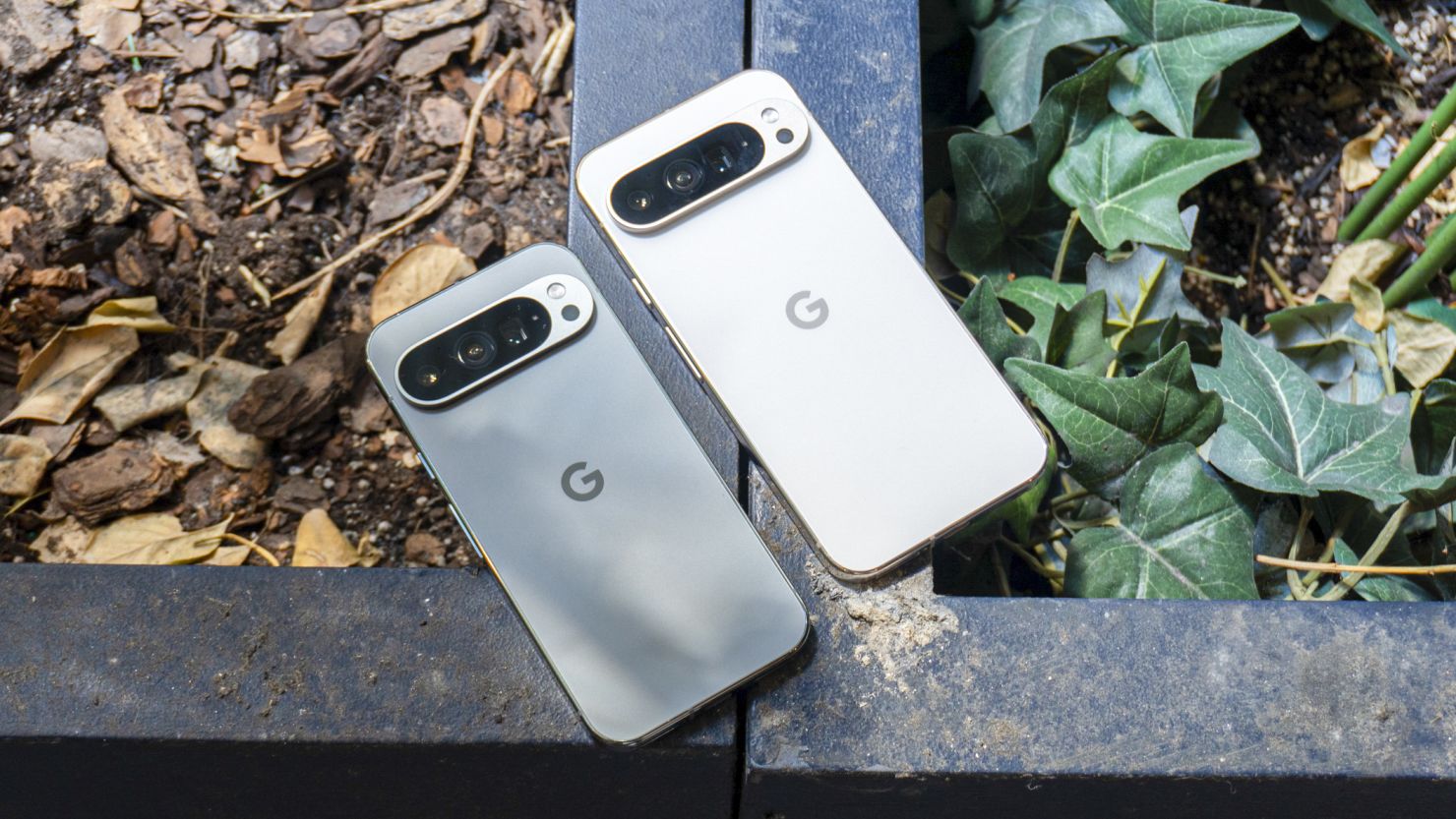
There’s no doubt about it: Google nailed the design of the Pixel 9 Pro series. Both the smaller and larger versions have flat edges similar to the iPhone and recent Galaxy devices, as well as flat displays. The side aluminum rails have a polished finish for extra sheen, while the back glass offers a matte finish to reduce fingerprints. This device looks striking no matter how you hold it.

I received the Porcelain version of the 9 Pro XL and the Hazel version of the 9 Pro. They aren’t as exciting as the Wintergreen or Peony colors, but they are sharp nonetheless. Google has even included an IP68 rating for dust and water resistance, so you won’t have to worry about scratching or cracking your screen, thanks to Corning Gorilla Glass Victus 2 on the front and back.

I love the fact that Google decided to ship the Pixel 9 Pro series in two different sizes. For fans of smaller phones, there’s a 6.3-inch model, while those who need the most screen possible can choose the 6.8-inch version. I’ve mainly used the 9 Pro XL, and the extra size is definitely more convenient for getting work done, but the smaller variant is equally nice since you can easily use it with one hand.

While it’s evident that this year’s Pixels are more similar to the competition than ever, they’re still Pixels at heart. That’s clear from the huge camera bump on the back, centered on the upper part of the devices. I’m a fan of this look, although it still tends to collect a lot of lint.

Flip it around, and you’ll find two gorgeous Super Actua displays. Google uses AMOLED panels with sharp resolutions, making everything look crystal-clear, colorful, and vibrant. For the first time ever on a Pixel phone (and a rarity among smartphones), both models come with 3,000 nits of peak brightness, making them incredibly bright even in direct sunlight. I’ve had no trouble viewing either of these screens in sunny conditions, surpassing even the best displays from Apple and Samsung.

INCREDIBLE CAMERAS WITH USEFUL TRICKS
If you were wondering if these are the best Pixel cameras to date, I’m happy to report that they are and will give Apple’s iPhone 16 Pro some stiff competition when it hits the market.

Google includes the same 50-megapixel camera as found in the Pixel 8, along with a 48-megapixel periscope telephoto lens that provides an impressive 5x optical zoom. This year, there’s an updated 48-megapixel ultrawide camera that maintains a narrower lens but captures stunning landscapes.

There isn’t a lighting situation in which the Pixel fails to impress. Google has perfected post-processing features such as Night Sight and astrophotography, making these some of the best low-light cameras available. The hardware versatility and pro controls in the camera app give you plenty of flexibility for capturing your desired shots.

The video quality is fantastic. For an Android phone, I’ve never seen 4K clips look this good. They’re virtually on par with the iPhone, a claim I’ve never been able to make before. This holds true for all three cameras.

When compared to phones like the Galaxy S24 Ultra and iPhone 15 Pro, the Pixel 9 Pro keeps pace and often surpasses them in terms of quality. You may get more natural-looking photos with the iPhone and significantly better zoom with Samsung, but the Pixel offers a well-rounded experience you can rely on for capturing everyday moments.

If you prefer to remember moments differently than you experienced them, Google enables this with AI. On the Pixel 9 Pro, you can use Magic Editor to reimagine backgrounds in your gallery photos or reframe images so your subject is properly centered. These features can be fun to play with if taken lightly.

A particularly intriguing camera update this year is Add Me. Capture a photo of your group, and then have one of your friends take a picture of you in the same frame; the two images will merge so that everyone is included. This feature works surprisingly well, ensuring visual cohesion from a distance.

While it can sometimes feel gimmicky, Add Me can be especially useful when you want to ensure everyone is present in a special group shot.

THE AI STUFF IS REALLY COOL
AI is not limited to the camera. The major narrative surrounding the Pixel 9 series is artificial intelligence, with Google integrating its Gemini chatbot across every version and entirely replacing the Google Assistant. While it may not be the sole reason to purchase a Pixel phone, it’s definitely progressing toward that goal.

Gemini Live is a prime example. With the Pixel 9 Pro, you can converse with Gemini like you would with the Google Assistant, but it feels much more like a human interaction. You can ask follow-up questions, interrupt conversations and more. The experience feels akin to speaking with a futuristic supercomputer, albeit simplified to run on your phone.

In order to access Gemini Live, a subscription to the Google One AI Premium plan is necessary, costing $20 per month. However, the plan also includes 2TB of cloud storage with Google Drive and Gemini access in apps like Gmail and Docs. The best part? If you purchase a Pixel 9 Pro series phone, you get a year of it free, resulting in a $240 savings.

Gemini Live isn’t the primary experience; you need to initiate a live conversation to use it. This is probably a good decision, as it keeps the standard experience clean and user-friendly. Hold down the power button and talk to Gemini like you would the Assistant, and you’ll have a familiar experience with the added benefit of more contextual responses and capabilities like generating images.

Note that Gemini can understand the content displayed on your screen, providing insights about movies or YouTube videos you’re watching. It also features a neat UI that overlays the content you’re referencing.

GREAT PERFORMANCE AND SOFTWARE SUPPORT
The Pixel 9 Pro series features Google’s Tensor G4 processor. It is roughly 10% faster than last year’s G3 model and performs admirably against the latest iPhones and Galaxies. Although it doesn’t quite match the competition in benchmark comparisons, it remains plenty fast for everyday usage.

Multitasking is seamless across these devices, thanks to the 16GB of RAM, an impressive amount for smartphones. Everything runs smoothly on the Pixel 9 Pro without any slowdowns.

As usual, Google excels on the software front. The experience is top-notch, complete with a clean UI and an array of smart features like Now Playing and Call Screening. The Pixel 9 Pro currently ships with Android 14 and will soon be updated to Android 15. Moreover, Google promises seven years of software updates for its entire lineup, allowing you to enjoy the latest features for years to come.

WHAT I DIDN’T LIKE ABOUT THEM

BATTERY LIFE COULD BE BETTER
I was somewhat disappointed with the battery performance of the Pixel 9 Pro and 9 Pro XL. While they aren’t necessarily bad, both are firmly one-day phones when I was hoping for longer-lasting usage.

The Pixel 9 Pro has a 4,700mAh battery, while the 9 Pro XL boasts a 5,060mAh cell. Both perform adequately for a day’s worth of usage, generally leaving 10% to 20% charge at day’s end. However, other brands such as the S24 Ultra and OnePlus 12 manage to stretch into day two on a single charge, so it’s disappointing that Google couldn’t achieve the same with its lineup.

Fortunately, Google compensates with 45W charging support for the first time on a Pixel phone. However, you’ll need to purchase a compatible adapter separately, like Google’s own, which is priced at $30. Without it, you’re limited to 15W wireless charging, using standard Qi and not the newer Qi2 technology.

THE PRICE HIKE IS NO FUN
The Pixel 9 Pro is technically more expensive this time. The previous generation’s $1,000 price tag for the larger Pixel phone has now been replaced by the standard 9 Pro with the Pro XL starting at $1,100. Even the base Pixel 9 now starts at $799 instead of $699.

Whether these new prices are justified or not, it’s disappointing to pay more for a phone that used to cost less. If saving money is a priority for you, consider last year’s models.

ONLY 128GB? REALLY?
In 2024, where advanced AI technology, self-driving cars, and reusable rockets exist, the Pixel 9 Pro series still starts at 128GB of storage.

For some users, this may suffice. However, as other brands (including Apple) shift to 256GB for their base configurations, Google’s insistence on 128GB feels dated.

Many users will need to spend an additional $100 to upgrade to the 256GB variant.

BOTTOM LINE
The Google Pixel 9 Pro and 9 Pro XL are the best Pixel phones yet, and I have no hesitations recommending them to anyone in search of a high-end Android device. Their drawbacks are far outweighed by the overall experience, and the promise of seven years of software updates ensures they will remain relevant for years to come.

Posted on

Meta and Spotify CEOs criticize AI regulation in the EU

META AND SPOTIFY CEOS CRITICIZE AI REGULATION IN THE EU

By Sarah Perez
7:53 AM PDT • August 23, 2024

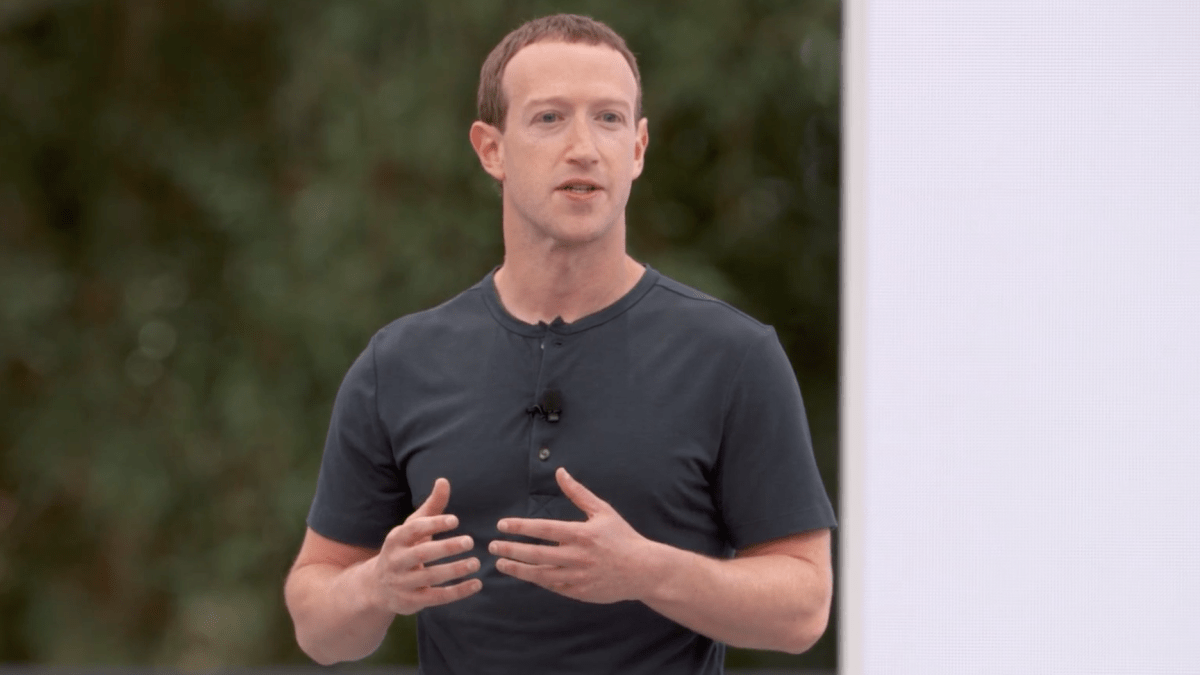
Meta and Spotify are once again joining forces, this time regarding open-source (or specifically, open-weight) AI, which both companies claim is being hindered by regulatory measures. In joint statements published on their respective websites, Meta CEO Mark Zuckerberg and Spotify CEO Daniel Ek argue that EU privacy regulations surrounding AI are stifling innovation. Meta highlights that it has been barred from training its AI models on public data from Facebook and Instagram due to a lack of regulatory clarity.

“In the short term, delaying the use of data that is routinely used in other regions means the most powerful AI models won’t reflect the collective knowledge, culture, and languages of Europe—and Europeans won’t get to use the latest AI products,”

warns Meta’s blog post. It also emphasizes that Europeans will miss out on the latest open-source technology and will be left with AI solutions not tailored for them.

The post further verified prior reports that Meta will withhold its next multimodal AI model from users in the European Union due to regulatory ambiguities. Meta notes it cannot release models like the Llama multimodal, which includes image comprehension features.

Meanwhile, Spotify asserts that its early investment in AI technology has been crucial for its streaming service’s success, offering a personalized experience for each user.

“As we look to the future of streaming, we see tremendous potential to use open-source AI to benefit the industry. This is especially crucial for helping more artists get discovered,” states its post. A simplified regulatory structure would not only boost open-source AI growth but would also support European developers and the wider creator ecosystem that thrives on these innovations.

Reading between the lines, it’s easy to see that Spotify wishes to leverage Meta’s AI technology to enhance its offerings but faces similar challenges due to unclear AI regulations in the EU.

Notably, both companies do not oppose regulation when it works to their benefit. They share a common adversary in Apple—particularly its App Store monopoly. EU regulators have labeled Apple a Big Tech “gatekeeper,” compelling it to allow alternative app stores and payment systems. Zuckerberg criticized Apple’s new business rules for EU developers under the Digital Markets Act (DMA), expressing doubt that any developer would opt-in due to the onerous nature of the requirements. Spotify has previously termed Apple’s compliance plan as “extortion” and a “total farce.”

Meta and Spotify have collaborated over the past few years on various music initiatives, such as a miniplayer on Facebook that streams Spotify directly within the app.

Read full article

Posted on

Fraud tactics and the growing prevalence of AI scams

FRAUD TACTICS AND THE GROWING PREVALENCE OF AI SCAMS

In the first half of 2024, Hiya flagged nearly 20 billion calls as suspected spam, averaging more than 107 million spam calls each day. The data revealed spam flagging rates exceeding 20% for unknown calls across 25 out of 42 countries, with some flag rates soaring above 50%.

The first half of 2024 also witnessed a surge in AI deepfake scams, employing AI-generated voice-cloning technology to impersonate individuals or organizations. For instance, ahead of the primary election in January, voters in New Hampshire received robocalls mimicking Joe Biden’s voice using this AI technology.

As AI tools grow in power and accessibility, researchers predict that tactics involving voice-cloning impersonation scams will only escalate throughout 2024 and beyond.

MEDICARE AND INSURANCE SCAMS CONTINUE TO TARGET AMERICANS

During the first six months of 2024, Americans received an average of 14 spam calls per month. Spam flagging rates varied by state, with Oklahoma, Indiana, and Ohio reporting the highest rates, while Alaska, New York, and North Dakota had the lowest.

Health insurance and medicare scams dominated the landscape in the US from January to June, followed by various other insurance scams, such as those related to auto, home, and life insurance. Tax-related scams rose significantly as the April 15 tax filing deadline approached.

FRANCE AND SPAIN CONTINUE TO HAVE THE WORST SPAM ACROSS EUROPE FOR THE PAST SEVEN QUARTERS

In France and Spain, more than half of all unknown calls were unwanted, with spam flagging rates at 53% and 51%, respectively. On average, residents in these countries receive over 12 nuisance or fraudulent calls monthly. Despite similar spam rates, Spain faces a more severe fraud issue, with 12% of unknown calls identified as fraudulent compared to 5% in France.

Commonly reported fraud calls in Spain included scams related to utility and mobile phone sales. In February, a new TikTok scam emerged, where users reported receiving robocalls promising 800 Euros daily for simply watching and liking videos on TikTok. In France, utility-related scams, particularly involving electricity suppliers and solar energy offers, were rampant in the first half of 2024. Other prevalent scams included telemarketing calls, banking-related fraud, and package delivery scams.

UK RESIDENTS ARE TARGETED WITH TAX AGENCY AND AMAZON SCAMS

In the UK, the spam flagging rate for unknown calls stood at 28%, with 3% of those calls being fraudulent in the first half of the year. Notable scams included tax fraud, especially those impersonating Her Majesty’s Revenue and Customs, as well as scams involving Amazon and credit card fraud. There was also a notable increase in scams related to cryptocurrency, energy, and immigration.

BRAZILIANS RECEIVE THE MOST SPAM CALLS PER MONTH ACROSS THE GLOBE

Brazilians experienced an average of 26 spam calls per month in the first half of 2024. Over half of the unidentified calls in Brazil were spam (51%), with 13% of those attributable to fraud. Banking scams were particularly prevalent, with reports of scammers impersonating banks to obtain personal information and passwords.

AMAZON SCAMS SURGED ACROSS CANADA

While Canadians received an average of only 4 spam calls each month, 7% of those calls were fraudulent. In 2023, Amazon scams took the lead among scams targeting Canadians, continuing into 2024 with a peak observed in mid-April. Scams impersonating government officials also gained traction in the first half of the year, followed by credit card and cryptocurrency fraud.

“Phone fraud, spam, and the emerging use of AI-driven deepfake voice scams are escalating threats to the voice channel, affecting every phone user across every major market,” said Kush Parikh, President of Hiya. “The voice channel deserves the same level of vigilance that enterprises apply to cybersecurity. In fact, voice security must be swiftly integrated into cybersecurity strategies, as it represents a significant vulnerability in protecting enterprises.”

Posted on

Google agreed to pay millions for California news. Journalists call it a bad deal

SACRAMENTO, Calif. (AP) — Google will soon provide California with millions of dollars to help pay for local journalism jobs in a first-in-the-nation deal, but journalists and other media industry experts are calling it a disappointing agreement that primarily benefits the tech giant.

The agreement, which was developed in secret and announced this week, will redirect tens of millions of public and private dollars to support local news organizations. Critics argue it is a typical political maneuver by tech companies to escape a fee that could have resulted from potentially groundbreaking legislation. California lawmakers agreed to abandon a bill that would have required tech companies to support news outlets they profit from in exchange for Google’s financial commitment.

By shelving the bill, the state effectively relinquished a chance to mandate ongoing payments from Google and social media platforms to publishers for linking to news content, said Victor Pickard, a professor of media policy and political economy at the University of Pennsylvania. California also left behind a much larger sum of funding that the legislation could have secured, he noted.

“Google got off easy,” Pickard said.

Google stated that the deal will aid both journalism and the artificial intelligence sector in California.

“This public-private partnership builds on our long history of working with journalism and the local news ecosystem in our home state, while developing a national center of excellence on AI policy,” said Kent Walker, president of global affairs and chief legal officer for Google’s parent company Alphabet, in a statement.

State governments across the U.S. have been striving to assist struggling news organizations. The U.S. newspaper industry has been experiencing a prolonged decline, with traditional business models collapsing and advertising revenues diminishing in the digital age.

As news organizations transition from primarily print to mostly digital formats, they have increasingly depended on Google and Facebook to disseminate their content. While publishers have faced significant declines in advertising revenues over the last few decades, Google’s search engine has become the center of a digital advertisement empire generating more than $200 billion annually.

The owner of the Los Angeles Times cited losses of up to $40 million a year, which justified the layoffs of over 100 employees earlier this year.

According to a report from Northwestern University’s Medill School of Journalism, over 2,500 newspapers have shut down since 2005, with approximately 200 counties across the U.S. lacking any local news outlets.

California and New Mexico are funding local news fellowship programs. This year, New York became the first state to offer a tax credit program for news outlets to hire and retain journalists. Illinois is contemplating a bill similar to the one that failed in California.

What Does the Deal Entail?

The deal, amounting to $250 million, will finance two initiatives: funding for journalism projects and a new AI research program. The agreement guarantees funding for only five years.

Approximately $110 million will come from Google, while $70 million from the state budget will be used to bolster journalism jobs. This fund will be managed by UC Berkeley’s Graduate School of Journalism. Google will also contribute $70 million for the AI research program, which aims to develop tools to address “real-world problems,” according to Assemblymember Buffy Wicks, who facilitated the deal.

The deal does not constitute a tax, marking a significant departure from a proposed bill by Wicks that would have imposed a “link tax,” forcing companies like Google, Facebook, and Microsoft to pay a percentage of advertising revenue to media companies for linking to their content. This bill was modeled after a policy passed in Canada, requiring Google to pay around $74 million annually to support journalism.

Why Are Tech Companies Agreeing to This Now?

Tech companies had spent the past two years resisting Wicks’ bill, launching costly opposition campaigns and airing ads against the legislation. Google threatened in April to temporarily block certain news websites from some California users’ search results. Despite bipartisan support, the bill continued to advance until this week.

Wicks stated to The Associated Press on Thursday that she saw no viable path for her bill and that the funding secured through the deal “is better than zero.”

“This represents politics as the art of the possible,” she said.

Industry experts perceive the deal as a typical tactic that Google has employed globally to avoid regulations.

“Google cannot exit from news because they need it,” remarked Anya Schiffrin, a Columbia University professor investigating global media, who co-authors a working paper assessing how much Google and Meta owe to news publishers. “They are using various tactics to diminish bills that will require them to fairly compensate publishers.”

She estimates that Google owes $1.4 billion annually to California publishers.

Why Do Journalists and Labor Unions Oppose the Agreement?

The Media Guild of the West, a union representing journalists in Southern California, Arizona, and Texas, expressed discontent over journalists being excluded from discussions. The union championed Wicks’ bill but was not part of the negotiations with Google.

“The future of journalism should not be decided in backroom deals,” read a letter from the union sent to lawmakers. “The Legislature embarked on an effort to regulate monopolies and failed badly. Now we question whether the state has done more harm than good.”

The agreement results in significantly less funding compared to what Google allocates to newsrooms in Canada and undermines the goal of rebalancing Google’s dominance over local news organizations, according to a letter from the union to Wicks earlier this week.

Questions were also raised regarding the inclusion of funding for developing new AI tools, perceived as another method for tech companies to ultimately replace journalists. Wicks’ original bill did not feature AI provisions.

Some journalism groups, including the California News Publishers Association, Local Independent Online News Publishers, and California Black Media, support the deal.

What’s Next?

The agreement is set to take effect next year, commencing with $100 million to launch the initiatives.

Wicks mentioned that details of the agreement are still being finalized. California Gov. Gavin Newsom has pledged to include journalism funding in his January budget, but concerns from other Democratic leaders could complicate the plan.

___

This story has been updated to correct that, as well as Southern California and Texas, the Media Guild of the West represents journalists in Arizona, not Nevada.

Posted on

Dropbox Expands Its Productivity Suite with the Acquisition of Reclaim.ai

In a strategic move to enhance its productivity offerings, Dropbox has acquired Reclaim.ai, an AI-powered calendar application that optimizes time management for users.

As the demand for efficient time management tools continues to grow, Dropbox has strengthened its position in the productivity space by acquiring Reclaim.ai, a popular AI-driven calendar app. Reclaim.ai uses advanced algorithms to automate and optimize users’ schedules, ensuring that time is allocated effectively based on priorities and deadlines.

This acquisition is a clear indication of Dropbox’s commitment to integrating AI into its suite of tools, making it easier for users to manage their workloads and achieve better work-life balance. With Reclaim.ai, Dropbox users can expect enhanced features that automatically adjust meetings, block out focus time, and prioritize tasks, all powered by AI.

By incorporating Reclaim.ai into its ecosystem, Dropbox is set to offer a more comprehensive and intelligent productivity experience, catering to the needs of both individual users and businesses looking to optimize their operations.