
Why It’s Important to Know What AI Can’t Do – Innovation & Tech Today
**Why It’s Important to Know What AI Can’t Do**
As artificial intelligence (AI) becomes more prevalent, initial concerns about its capabilities are giving way to a greater enthusiasm for its numerous advantages. AI tools are rapidly transforming various facets of business today, boosting efficiency and enabling organizations to achieve more in less time through task automation and profound data analysis insights.
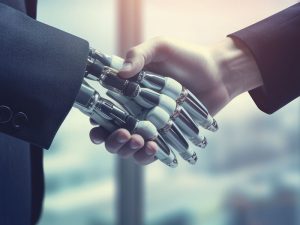
Despite AI’s impressive abilities, it remains incapable of replicating certain aspects of human performance. Companies must recognize these limitations to create environments that harness AI’s strengths while also leveraging human skills. This balanced approach enhances strengths, mitigates weaknesses, and propels businesses toward higher efficiency and profitability.
**What AI Can’t Do**
Even with its advancements, current AI tools are deficient in three critical areas essential for sustained business success. Recognizing these shortcomings is crucial for creating a workplace that harmonizes AI utilization with human leadership, laying a foundation for enhanced organizational achievement. Here are three key domains where human skills outshine AI’s capabilities:
1. **Employee Development:** AI excels in creating personalized learning paths and tracking progress but cannot offer mentorship—an integral part of workforce development. Lacking emotional intelligence, AI fails to deliver personalized feedback, which is vital for nurturing organizational growth and creativity.
2. **Motivation:** A productive organization thrives on a motivated workforce nurtured by emotional engagement. AI can automate rewards but cannot forge the emotional connections necessary for employees to feel valued and driven to succeed.
3. **Innovation:** Human connection is vital in organizational decision-making and innovation. Studies show that humans consistently outperform AI in creative tasks, as they can think beyond constraints and adapt to new scenarios, leading to more diverse and emotionally resonant ideas.
Organizations that find the right equilibrium between AI and human engagement can forge environments that elevate them to new market heights, fostering trust and collaboration while respecting human insight. By maintaining this balance, companies can position themselves for sustained growth and success in today’s competitive landscape.